
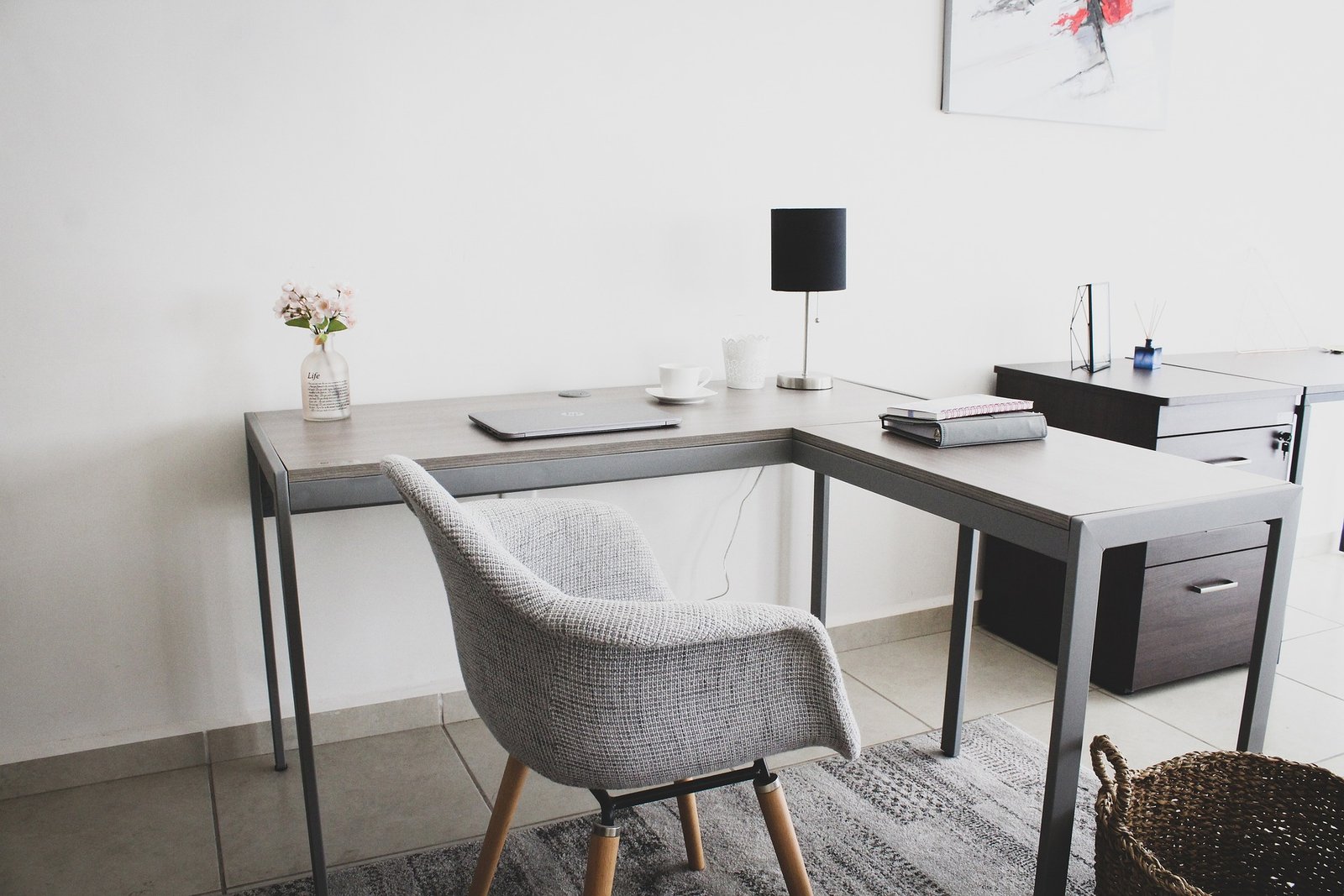
A dedicated workspace at home can generate a legitimate tax deduction, but working from home does not automatically make your household expenses deductible. The IRS looks at your employment status, how you use the space, and whether that use meets the requirements for a home office deduction.
Eligible self-employed individuals may deduct certain expenses connected with the business use of their home. Employees generally cannot claim a federal deduction for a home office used for their employee work under current rules.
For taxpayers who qualify, the choice between the simplified method and the actual expense method can affect the calculation, recordkeeping requirements, and treatment of home-related costs.
Who Can Claim a Home Office Deduction
The deduction generally applies to qualifying business use, such as a sole proprietor operating a freelance, consulting, or other independent business from home.
You do not necessarily need to own a company with employees or rent commercial premises. However, the workspace must serve an actual qualifying business activity.
A person with a regular job and a separate side business should evaluate those activities separately. The side business may support a qualifying deduction even though working remotely as an employee does not.
For example, someone might earn wages during the day and operate an independent bookkeeping business in the evenings. A dedicated area used for that bookkeeping business needs to be evaluated under the business-use rules, rather than treated as an employee expense.
Regular and Exclusive Use Are Central Requirements
A qualifying home office generally must be used regularly and exclusively for business.
Regular use means recurring business activity rather than occasional use. Exclusive use generally means that the identified area is not also used personally.
Consider these examples:
- A spare room used only for an independent consulting business may qualify if the other requirements are met.
- A dining table used for both customer paperwork and family meals generally fails the exclusive-use requirement.
- A clearly identifiable part of a room may qualify without a permanent partition if that area satisfies the rules.
The deduction is based on qualifying use, not simply the presence of a desk, computer, or filing cabinet.
Specific exceptions apply to certain inventory storage and daycare uses. Those exceptions have separate conditions.
Your Home Does Not Have to Be Where Every Job Is Performed
A taxpayer can perform services at customer locations and still have a qualifying principal place of business at home.
The rules recognize certain administrative or management activities performed regularly and exclusively at home when there is no other fixed location where substantial administrative or management activities are conducted.
For example, an independent service provider may complete jobs elsewhere but use a dedicated home office to manage appointments, prepare invoices, and maintain business records.
Meeting customers at home can also support eligibility under a separate qualifying-use rule. The circumstances and frequency of use matter.
Renters and Homeowners Can Qualify
Homeownership is not a requirement for the home office deduction.
A renter with qualifying business use may be eligible, just as a homeowner may be. The types of expenses available under the actual expense method differ, but the workspace must first meet the applicable requirements.
An apartment does not automatically prevent a deduction, and owning a large house does not automatically create one.
For instance, a renter may have a small, dedicated workspace that qualifies, while a homeowner’s large multipurpose guest room does not.
Calculate the Business Portion of Your Home
Under the regular method, an area-based allocation commonly helps determine the business share of expenses benefiting the whole home.
Suppose your home measures 1,800 square feet and your qualifying office measures 180 square feet:
180 ÷ 1,800 = 10% business use
That percentage may be used to allocate eligible indirect expenses. It does not make 10% of every household purchase deductible.
Accurate measurements matter. Keep a simple floor plan or written calculation showing the office area and the total area used in your allocation.
The Simplified Home Office Deduction
The simplified method uses a prescribed rate of $5 per qualifying square foot, up to 300 square feet.
For a qualifying office used throughout the year:
- A 100-square-foot office produces a $500 calculation.
- A 200-square-foot office produces a $1,000 calculation.
- The maximum calculation is $1,500.
Applicable income and other limitations can reduce the deduction. Partial-year use or changes in the qualifying area also require attention to the calculation rules.
The 300-square-foot limit applies to the simplified calculation. It does not mean that an otherwise qualifying larger office cannot be considered under the regular method.
The Actual Expense Method
The regular method uses eligible actual costs attributable to the qualifying business use.
Potential expenses include rent, utilities, insurance, repairs, and, for homeowners, eligible mortgage interest, property taxes, and depreciation.
Direct expenses benefit the office itself. Indirect expenses benefit the property more broadly and generally require allocation.
For example, painting only the qualifying office is different from repairing a heating system serving the whole home. Improvements may require different treatment from ordinary repairs.
Compare methods using eligible expenses rather than assuming the regular method always produces a larger deduction.
Home Office Deduction Example
Assume an independent consultant has a qualifying 150-square-foot office in a 1,500-square-foot rented home, used throughout the year.
The simplified calculation is:
150 × $5 = $750
For a basic illustration of the regular method, suppose eligible indirect expenses total $12,000. A 10% allocation produces $1,200 before applicable limitations and other adjustments.
The comparison is between two deduction calculations—not two guaranteed refund amounts. The taxpayer must confirm eligibility, classify expenses correctly, and apply the relevant limitations.
The Deduction Can Be Limited by Business Income
Home office expenses are subject to income-related limitations.
The simplified method does not allow the home office deduction to create a business loss. An amount disallowed under that simplified-method limitation is not carried forward.
Under the regular method, certain expenses limited in the current year may be carried forward, subject to the applicable rules.
This distinction matters when business income fluctuates. Review any existing carryovers before changing calculation methods.
Depreciation Requires Attention for Homeowners
Homeowners using the regular method may need to account for depreciation of the business portion of their home.
The simplified method does not permit a home depreciation deduction for years it is used.
Depreciation claimed—or allowable—under the regular method can affect the tax treatment of a later home sale. Keep those records even after you stop using the office.
Selling a residence does not necessarily erase the consequences of prior business depreciation.
Claiming the Deduction on Your Tax Return
Sole proprietors generally claim qualifying home office expenses through Schedule C.
The regular method generally uses Form 8829 to calculate the deduction. The simplified method uses the applicable Schedule C worksheet rather than Form 8829.
Taking the standard deduction does not automatically prevent an eligible Schedule C home office deduction. However, the same expense cannot be deducted twice.
Follow the instructions for the return and method you are using.
Keep Records Supporting the Workspace and Expenses
Retain documentation showing:
- The office’s size and location.
- Its qualifying business use.
- When that use began or changed.
- Relevant household expenses under the regular method.
- Any depreciation calculations and carryovers.
A photograph or floor plan can help explain the arrangement, but it does not replace the actual eligibility requirements.
Review the deduction when your circumstances change. A dedicated office converted into a guest room may no longer qualify in the same way.
Disclaimer
This article provides general educational information about U.S. federal home office deductions and business use of a residence. It is not individualized tax, accounting, legal, or financial advice.Eligibility and the allowable deduction depend on your employment status, business activities, workspace use, expenses, income, calculation method, and applicable tax-year rules. Special limitations and exceptions may apply. State tax treatment may differ, and laws and IRS guidance can change.Reading this article does not create a professional advisory relationship with Taxyx. Taxyx is independent and is not affiliated with or endorsed by the IRS or another government agency.Consult a qualified tax professional, enrolled agent, or certified public accountant when evaluating your eligibility, comparing methods, or addressing depreciation and a future home sale. No deduction, refund, or tax savings is guaranteed.