
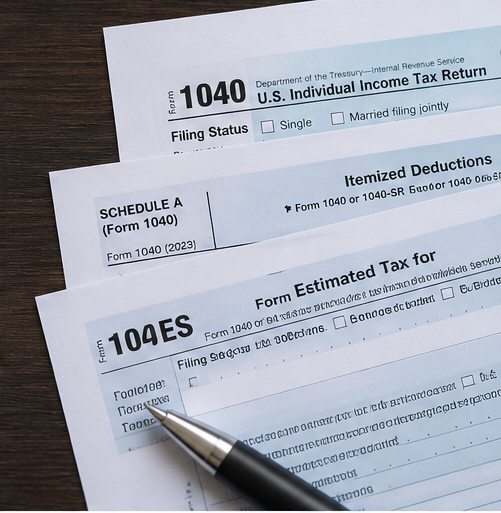
Tax rules, filing requirements, deductions, credits, and IRS procedures can change from one year to the next. Staying informed can help taxpayers avoid mistakes, missed opportunities, and unexpected tax bills.
The IRS regularly updates tax guidance and procedures affecting individuals, families, and businesses. Some changes are relatively minor, while others can have a noticeable effect on how much you owe or receive when you file your tax return.
Keep Your Tax Information Up to Date
One of the simplest ways to avoid problems is to make sure your personal information is current. Changes to your address, filing status, dependents, or banking information can affect your tax return and any refund you receive.
Taxpayers should also keep copies of important tax documents, including income statements, receipts, records of deductible expenses, and documents supporting tax credits.
Watch for Changes to Tax Credits and Deductions
Tax credits and deductions can change because of new legislation or updated IRS rules. Eligibility requirements may also change.
Before claiming a credit or deduction, taxpayers should review the current requirements rather than relying on information from a previous tax year.
Businesses Should Monitor IRS Updates
Businesses should pay particular attention to changes involving estimated taxes, payroll taxes, information returns, reporting requirements, and deductions.
Keeping accurate records throughout the year makes it much easier to respond when tax rules or filing requirements change.
Check IRS Information Before Filing
Tax information found on social media, websites, or older tax articles may not reflect the latest requirements. When an issue could affect your tax return, check the most recent IRS guidance before making a decision.
Following official IRS updates can help taxpayers understand new requirements before they file.
Final Thoughts
Tax laws and IRS procedures are constantly changing. Reviewing current information before preparing a tax return can help reduce errors and prevent problems later.
Taxpayers should keep their records organized, pay attention to IRS announcements, and verify important tax information using current sources.
Disclaimer: This article is for general informational purposes only and does not constitute tax, legal, or financial advice. Tax laws and IRS requirements can change. Consult a qualified tax professional or verify current information directly with the IRS for advice applicable to your situation.