
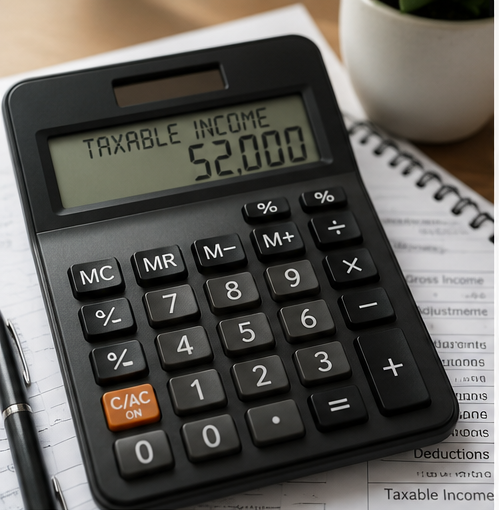
Preparing for tax filing is much easier when you organize your records before you begin. Whether you file your taxes yourself or work with a tax professional, having the right documents and information available can reduce errors and make the process more efficient.
A good tax preparation process starts well before you submit your federal income tax return.
Gather Your Income Documents
Start by collecting documents showing all income received during the tax year.
Common tax documents include:
- Form W-2 from employers
- Form 1099-NEC for independent contractor income
- Form 1099-MISC
- Form 1099-INT for interest income
- Form 1099-DIV for dividends
- Form 1099-B for investment transactions
- Form 1099-R for retirement distributions
- Social Security benefit statements
- Records of rental income
- Business income records
Do not assume that income does not need to be reported simply because you did not receive a particular tax form.
Review Your Filing Status
Your filing status can affect your tax brackets, standard deduction, eligibility for certain credits, and overall tax liability.
Common federal filing statuses include:
- Single
- Married Filing Jointly
- Married Filing Separately
- Head of Household
- Qualifying Surviving Spouse
Your circumstances during the tax year determine which filing status you may use.
Keep Records of Deductions
Taxpayers should maintain documentation for expenses that may qualify for deductions.
Depending on your circumstances, records may include mortgage interest, state and local taxes, charitable contributions, eligible medical expenses, business expenses, and other deductible costs.
A receipt by itself does not always establish that an expense is deductible. The expense must also meet the applicable tax requirements.
Check Your Tax Credits
Tax credits can directly reduce the amount of federal income tax you owe. Some credits may also be refundable, meaning eligible taxpayers could receive a refund even when their tax liability is low.
Potentially relevant credits can include education credits, child-related credits, retirement savings credits, and other credits for which a taxpayer may qualify.
Because eligibility requirements vary, taxpayers should review the requirements for each credit rather than assuming they qualify.
Self-Employed Taxpayers Need Additional Records
Self-employed individuals and independent contractors generally need to maintain detailed business records.
Useful records can include:
- Business income
- Advertising expenses
- Office expenses
- Equipment purchases
- Vehicle and mileage records
- Business insurance
- Professional services
- Supplies
- Business travel
- Other ordinary and necessary business expenses
Separating business and personal finances can make bookkeeping and tax preparation considerably easier.
Review Your Previous Tax Return
Your previous tax return can provide useful information when preparing the current return.
Review items such as:
- Filing status
- Dependents
- Prior-year income
- Capital loss carryovers
- Tax payments
- Estimated tax payments
- Retirement contributions
- Carryforward deductions or credits
Some tax items can carry from one year into another, so previous returns should not simply be ignored.
Check Your Personal Information
Before filing, verify your name, address, Social Security number or taxpayer identification number, bank information, and dependent information.
Errors in basic identifying information can cause processing problems or delays.
If you are expecting a direct deposit refund, verify the routing and account numbers carefully.
Review Your Return Before Filing
Never assume that tax software or a tax preparer makes every part of a return automatically correct.
Before submitting the return, review:
- Income
- Filing status
- Dependents
- Deductions
- Credits
- Tax payments
- Bank information
- Contact information
A careful final review can catch simple errors before the return is submitted.
Keep Your Tax Records
After filing, keep a copy of your tax return and supporting documentation.
Tax records can become important later if the IRS asks questions, if you need to amend a return, or if information is needed for another financial transaction.
The appropriate record-retention period can vary depending on the type of document and circumstances.
Final Thoughts
Good tax preparation is primarily about organization and accurate information. Gathering documents early, maintaining reliable records, reviewing deductions and credits, and carefully checking the completed return can make tax filing much easier.
Tax rules are complicated and can change. When an issue is unusual or significant, professional tax advice may help you determine how the rules apply to your specific circumstances.
Disclaimer: This article is for general informational purposes only and does not constitute tax, legal, or financial advice. Tax laws, IRS requirements, deductions, credits, and filing procedures can change. Consult a qualified tax professional or verify current information with the IRS for advice regarding your specific situation.